Cricket’s journey from a simple pastoral game to a global sporting phenomenon spans centuries of remarkable transformation. The sport that once graced English village greens now captivates billions worldwide through Twenty20 spectacles and traditional Test matches.
The Humble Beginnings
Cricket originated in the 16th century among shepherds and farmers in rural England. The earliest forms involved using shepherd’s crooks as bats and wicket gates as targets. These informal games gradually evolved into organized competitions as communities began establishing rules and hosting inter-village matches.
The sport gained aristocratic patronage during the 17th century, transforming from a rural pastime into a gentleman’s game. County cricket emerged as wealthy landowners sponsored teams, leading to the formation of prestigious clubs like the Marylebone Cricket Club (MCC) in 1787, which became cricket’s governing body.
The Colonial Expansion Era
British colonialism played a pivotal role in cricket’s global spread during the 18th and 19th centuries. Naval officers, administrators, and merchants introduced the game to distant shores, establishing cricket cultures in Australia, India, South Africa, and the West Indies.
Each colony adapted cricket to local conditions while maintaining core principles. Australia developed aggressive batting styles suited to bouncy pitches, while the subcontinent emphasized spin bowling on turning tracks. These regional variations enriched cricket’s tactical diversity.
Test Cricket’s Golden Age
The first official Test match between England and Australia in 1877 marked cricket’s entry into international competition. The five-day format tested players’ endurance, skill, and mental fortitude, earning respect as cricket’s premier version.
Legendary figures like Sir Donald Bradman revolutionized batting techniques, achieving an astronomical 99.94 Test average. His methodical approach and statistical dominance established benchmarks that modern players still chase, inspiring generations of cricketers worldwide.
The Limited-Overs Revolution
The 1960s witnessed cricket’s commercial awakening with limited-overs formats addressing modern entertainment demands. One-day internationals brought urgency and excitement, attracting television audiences and corporate sponsors previously uninterested in cricket’s leisurely pace.
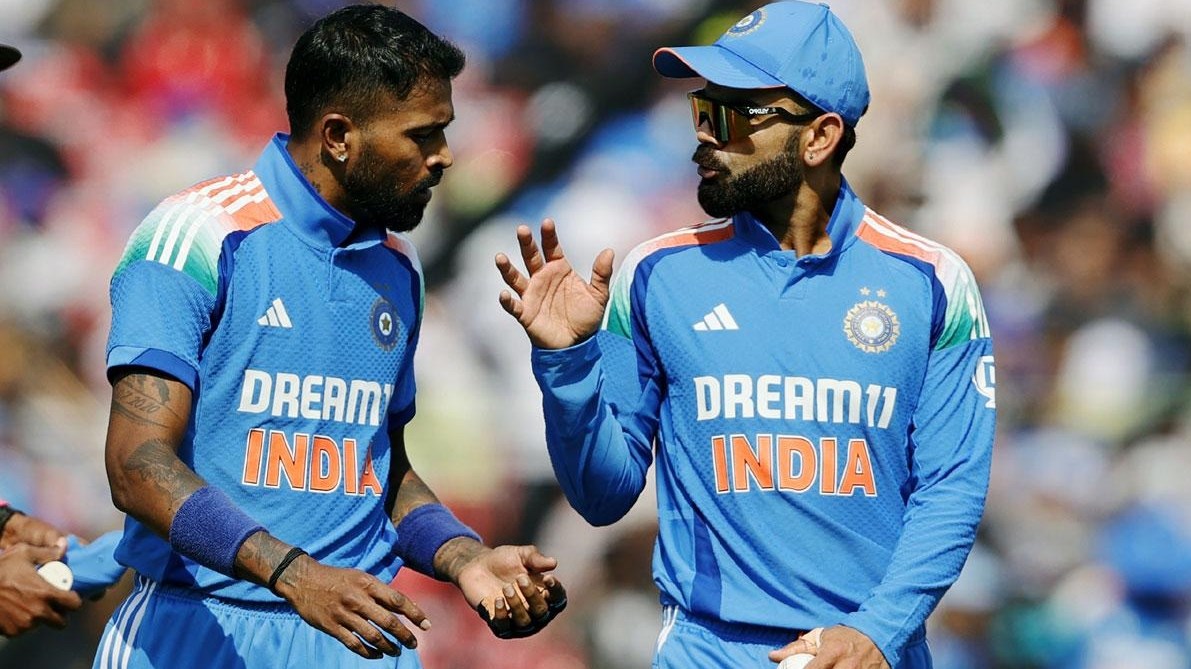
The 1983 World Cup victory transformed Indian cricket, triggering unprecedented popularity growth in the world’s largest cricket market. Television coverage expanded dramatically, creating cricket superstars and establishing the sport’s commercial viability.
T20 Cricket’s Impact
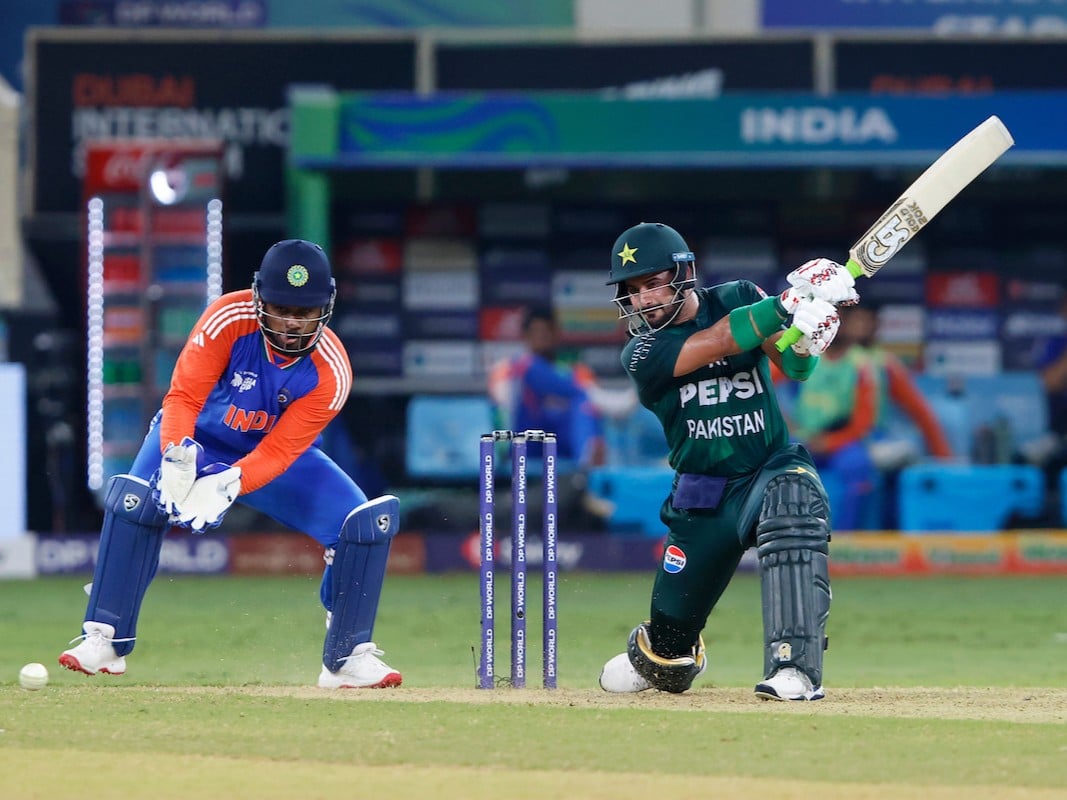
Twenty20 cricket’s introduction in 2003 revolutionized the sport’s landscape. The three-hour format appealed to busy modern lifestyles while maintaining cricket’s strategic elements. Explosive batting, innovative bowling variations, and athletic fielding created spectacle-driven entertainment.
The Indian Premier League’s 2008 launch established T20’s commercial potential. Franchise cricket attracted global players, Bollywood glamour, and massive television revenues, proving cricket could compete with other entertainment forms for audience attention.
Technology’s Transformation
Modern cricket embraces technological advancement while preserving traditional values. Decision Review Systems ensure accurate umpiring, while Hawk-Eye and Ultra-Edge eliminate human error in crucial moments. Data analytics guide team selections and strategic planning.
Player fitness standards have risen dramatically, with contemporary cricketers achieving athletic performances unimaginable to previous generations. Specialized coaching, nutritional science, and sports psychology create complete professionals rather than talented amateurs.
Global Cricket Today
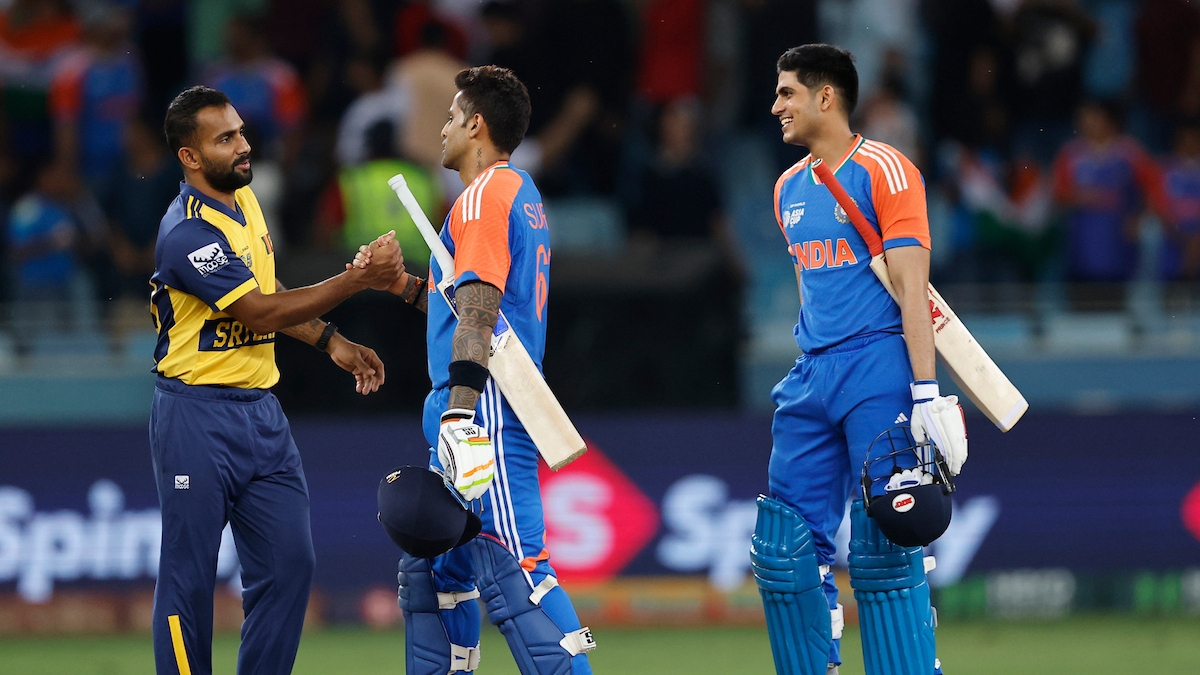
Cricket now spans six continents with over 100 nations participating in various competitions. The sport’s Olympic inclusion discussions reflect its growing international profile, while associate nations challenge established powers in major tournaments.
Women’s cricket experiences unprecedented growth, with professional leagues and international prominence providing career opportunities previously unavailable. Stars like Meg Lanning and Smriti Mandhana inspire young girls worldwide.
Future Horizons
Cricket continues evolving through format innovations, technological integration, and market expansion. The Hundred, T10 cricket, and franchise leagues experiment with entertainment formulas while maintaining cricket’s core appeal.
American cricket development through Major League Cricket represents potential market expansion. Success in the United States could unlock massive commercial opportunities, establishing cricket as a truly global sport rather than Commonwealth heritage.
Conclusion
Cricket’s evolution from village pastime to global entertainment reflects sport’s capacity for transformation while maintaining essential character. The game that taught patience and perseverance now offers instant gratification alongside traditional values, ensuring its continued relevance across diverse cultures and generations. Cricket’s future promises continued innovation balanced with respect for its rich heritage.