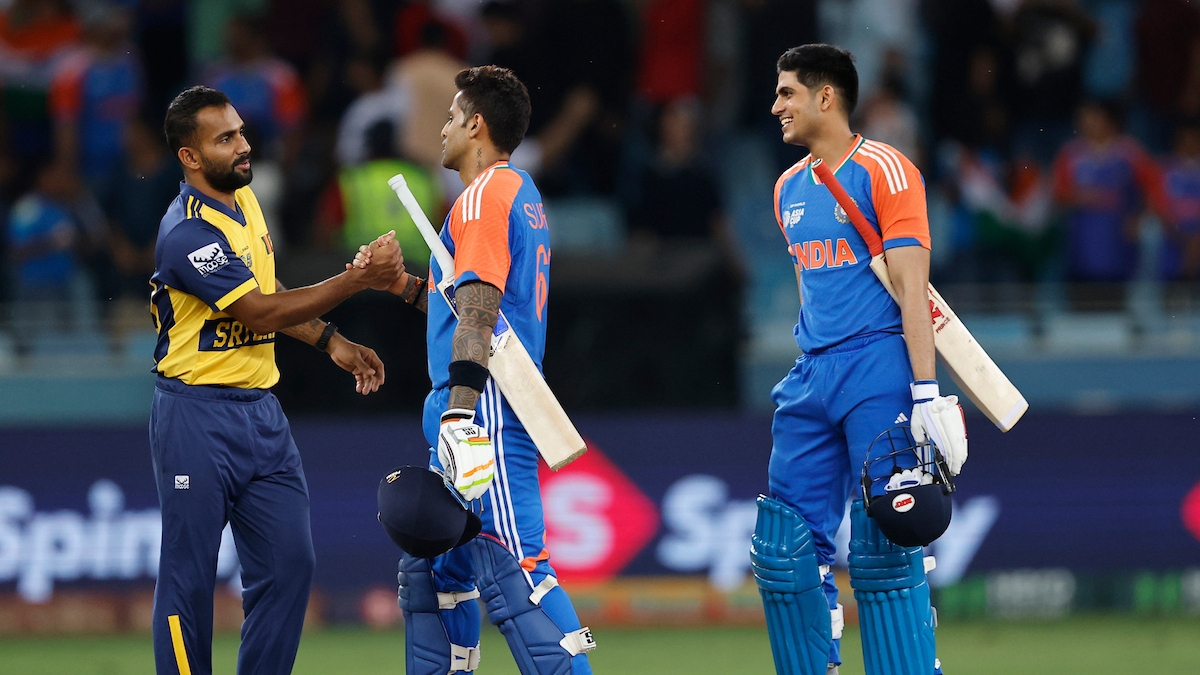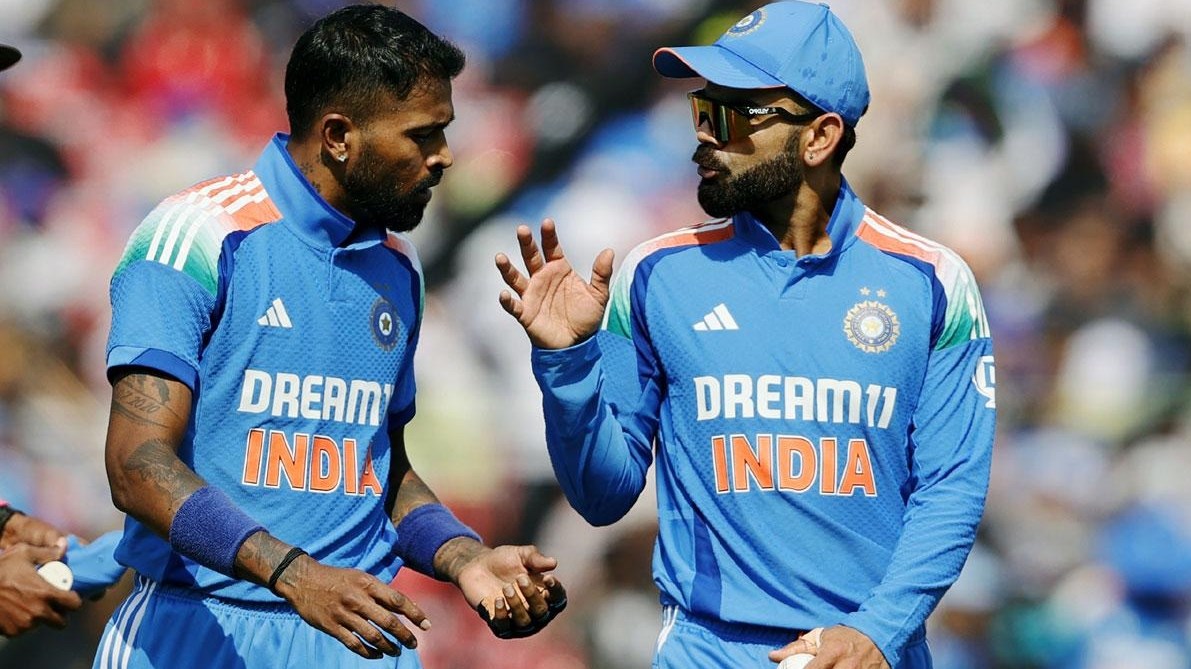
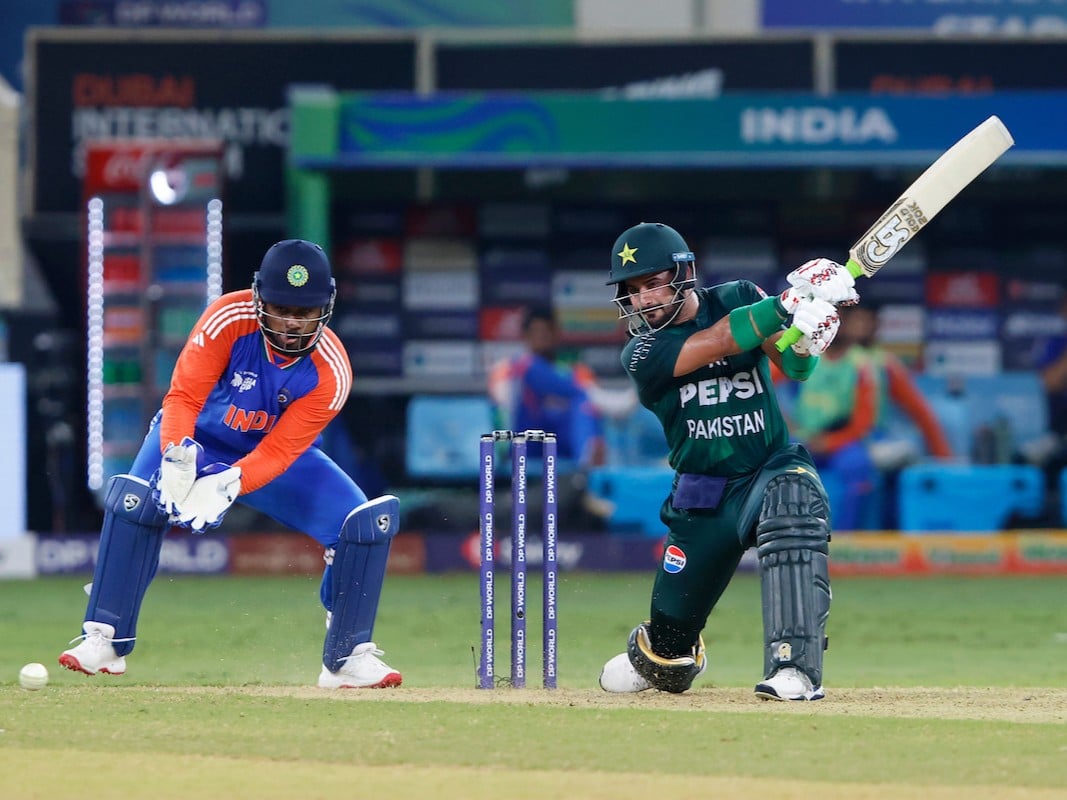
Modern cricket’s intense pressure environment has brought mental health discussions to the forefront, challenging long-held stigmas about psychological wellbeing in professional sports. Players now openly discuss anxiety, depression, and performance pressure, creating healthier sporting cultures.
The Pressure Cooker Environment
Professional cricket creates unique psychological challenges through constant scrutiny, extended travel, and performance expectations. Social media amplifies criticism while commercial pressures demand consistent excellence, leaving little room for human vulnerability or failure.
International cricketers face additional pressures representing their nations, with billions of fans investing emotional energy in their performances. A poor series can trigger nationwide disappointment, creating overwhelming responsibility that affects mental wellbeing.
Breaking Traditional Barriers
Cricket’s traditional “stiff upper lip” mentality historically discouraged emotional expression. Players were expected to handle pressure silently, leading to untreated mental health issues that shortened careers and damaged personal relationships.
Contemporary cricket increasingly recognizes mental health’s importance for optimal performance and personal wellbeing. Team psychologists, counseling services, and peer support systems provide professional assistance previously unavailable to struggling players.
High-Profile Cases
Several prominent cricketers have courageously shared mental health struggles, normalizing these discussions within cricket circles. Their openness encourages others to seek help while educating fans about psychological challenges in professional sport.
Jonathan Trott’s anxiety-related departure from England’s 2013-14 Ashes tour highlighted mental health’s impact on elite performance. His honest account of panic attacks and depression sparked important conversations about player welfare and support systems.
The Role of Social Media
Social media creates unprecedented player-fan interaction while exposing cricketers to constant judgment and abuse. Negative comments and online trolling significantly impact mental health, particularly for young players unprepared for public scrutiny.
Cricket boards now provide social media training and monitoring support, helping players navigate online environments while maintaining engagement benefits. Digital wellness strategies include controlled exposure and professional management assistance.
Bio-Bubble Challenges
COVID-19’s bio-bubble requirements created new mental health challenges through extended isolation and family separation. Players struggled with confined environments, limited social interaction, and constant health monitoring, triggering anxiety and depression episodes.
Cricket authorities responded by enhancing mental health support within bio-bubbles, including virtual counseling services, family communication facilities, and recreational activities. These measures highlighted mental health’s priority in cricket planning.
Cultural Differences
Mental health perception varies significantly across cricket-playing nations, affecting how players seek and receive support. Some cultures view psychological assistance as weakness, creating barriers to treatment and recovery.
Educational programs targeting different cultural contexts help normalize mental health discussions while respecting traditional values. Localized approaches ensure support systems align with cultural expectations and communication styles.
Performance Impact
Mental health directly affects cricket performance through concentration, decision-making, and physical coordination. Anxiety can disrupt timing and technique, while depression affects motivation and training intensity, creating performance spirals.
Teams increasingly recognize mental health’s performance benefits, investing in psychological support as competitive advantages. Happy, confident players consistently outperform stressed, anxious teammates, making mental wellness strategically important.
Support System Evolution
Modern cricket support systems include sports psychologists, mental health counselors, and peer support networks. Teams create safe spaces for emotional expression while maintaining professional standards and competitive focus.
Retired players often provide valuable mentorship, sharing personal experiences and coping strategies. This peer support proves particularly effective, as former players understand cricket’s unique psychological challenges.
Youth Cricket Considerations
Youth cricket programs now incorporate mental health education, teaching young players healthy coping mechanisms before professional pressures intensify. Early intervention prevents serious issues while building resilience for future challenges.
Parents and coaches receive training on recognizing mental health warning signs, ensuring comprehensive support networks surround developing players. This holistic approach creates healthier cricket environments from grassroots levels.
Conclusion
Cricket’s mental health revolution represents progressive thinking that prioritizes player wellbeing alongside performance excellence. By breaking traditional stigmas and implementing comprehensive support systems, cricket creates healthier environments that benefit players, teams, and the sport’s long-term sustainability. This cultural shift ensures cricket remains appealing to future generations while protecting those who entertain millions worldwide.