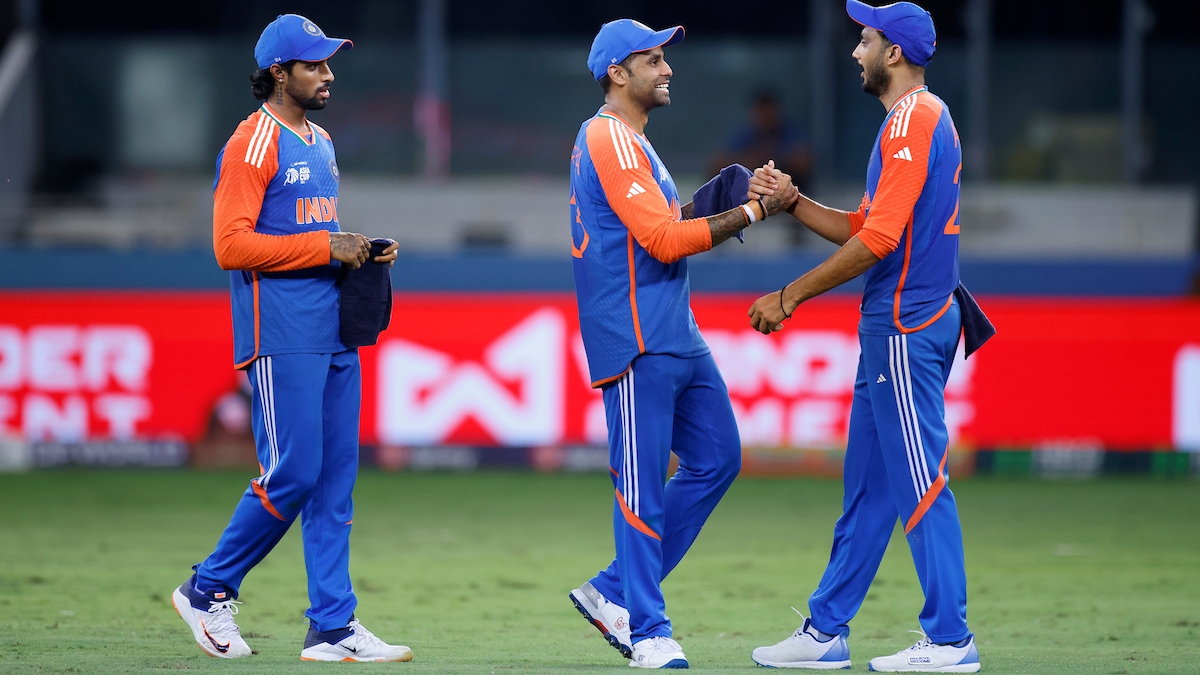

Modern cricket has transformed from amateur pastime into a multi-billion dollar entertainment industry encompassing television rights, franchise leagues, and global marketing opportunities. This commercial evolution reshaped cricket’s landscape while creating new challenges regarding sporting integrity and traditional values.
Television Revolution Impact
Television transformed cricket from stadium-based entertainment into global spectacle reaching millions simultaneously. Live coverage created cricket superstars while generating massive advertising revenue through commercial partnerships and broadcast rights negotiations.
The Indian Premier League exemplifies cricket’s commercial potential, with television rights valued at billions of dollars. These astronomical figures demonstrate cricket’s entertainment value while funding player salaries and infrastructure development across participating nations.
Franchise League Economics
T20 franchise leagues create closed ecosystems generating predictable revenue streams through salary caps, revenue sharing, and territorial rights. Franchise owners invest substantial capital expecting long-term returns through brand building and commercial partnerships.
Player auction systems distribute talent while creating transfer market dynamics previously unknown in cricket. Star players command premium prices, with successful franchises investing strategically in youth development and talent identification programs.
Sponsorship and Advertising
Cricket’s global reach attracts multinational corporations seeking brand exposure in diverse markets. Title sponsorships, player endorsements, and stadium naming rights generate substantial revenue while associating brands with cricket’s positive values and entertainment appeal.
Digital advertising integration includes social media campaigns, fantasy cricket partnerships, and streaming platform collaborations. These modern marketing approaches target younger demographics while maintaining traditional sponsor relationships.
Player Economics Evolution
Professional cricketers now earn substantial incomes through match fees, league contracts, and endorsement deals. Top players command multi-million dollar packages while even domestic performers achieve comfortable livings through cricket participation.
Central contracts provide financial security while performance bonuses incentivize excellence. This structure balances guaranteed income with merit-based rewards, encouraging consistent performance while providing career stability.
Infrastructure Development
Commercial success funds stadium construction, training facility development, and grassroots program expansion. Modern cricket facilities rival entertainment venues through premium seating, corporate hospitality, and technology integration.
Cricket boards reinvest broadcast revenue into domestic competition improvement, player development programs, and coaching education. This infrastructure investment ensures long-term cricket health while maintaining commercial competitiveness.
Technology Integration Costs
Modern cricket incorporates expensive technology including Decision Review Systems, broadcast enhancement tools, and data analytics platforms. These investments improve spectator experience while creating operational cost increases that commercial revenue must support.
Streaming services require substantial technical infrastructure investments to deliver high-quality global coverage. However, these platforms access new markets while providing additional revenue opportunities through subscription models.
Global Market Expansion
Cricket’s commercial growth targets untapped markets through format innovation, marketing campaigns, and local partnership development. Major League Cricket represents ambitious expansion into American sports markets traditionally dominated by established professional leagues.
Associate nation development receives commercial backing as cricket boards recognize global expansion’s revenue potential. Investment in smaller cricket nations creates new talent pools while expanding cricket’s international footprint.
Betting and Fantasy Sports
Legal betting and fantasy sports create additional cricket revenue streams while raising integrity concerns requiring careful management. Regulated markets generate substantial taxes and industry revenue while anti-corruption measures protect cricket’s competitive authenticity.
Fantasy cricket platforms engage younger audiences through gamification while creating data demand that enhances cricket’s statistical analysis. These platforms build loyal user bases while generating advertising and transaction-based revenue.
Women’s Cricket Investment
Commercial investment in women’s cricket accelerates through dedicated leagues, television coverage, and sponsorship opportunities. Equal prize money initiatives and professional contracts demonstrate cricket’s commitment to gender equality while expanding market opportunities.
Female cricket stars attract distinctive sponsorship deals appealing to brands targeting women consumers. This demographic expansion represents untapped commercial potential requiring continued investment and promotion.
Governance Challenges
Commercial success creates governance challenges as cricket authorities balance profit maximization with sporting integrity maintenance. Regulatory frameworks must evolve to address franchise league relationships, player welfare, and competition scheduling conflicts.
International cricket scheduling becomes increasingly complex as commercial commitments compete with traditional bilateral series and ICC events. Finding sustainable balance requires careful negotiation between various stakeholders with competing interests.
Future Economic Trends
Cricket’s economic future involves continued format innovation, technological advancement, and market expansion strategies. Artificial intelligence, virtual reality, and cryptocurrency integration represent potential revenue opportunities requiring careful evaluation and implementation.
Sustainability initiatives create new commercial partnerships while appealing to environmentally conscious consumers and sponsors. These programs demonstrate cricket’s social responsibility while generating positive publicity and partnership opportunities.
Conclusion
Cricket’s transformation into a commercial entertainment empire demonstrates sport’s economic potential while creating challenges requiring careful balance between profit and sporting values. Successful commercial cricket maintains competitive integrity while providing entertainment value that justifies substantial financial investments. The industry’s continued growth depends on sustainable business models that serve multiple stakeholders while preserving cricket’s essential character and global appeal.